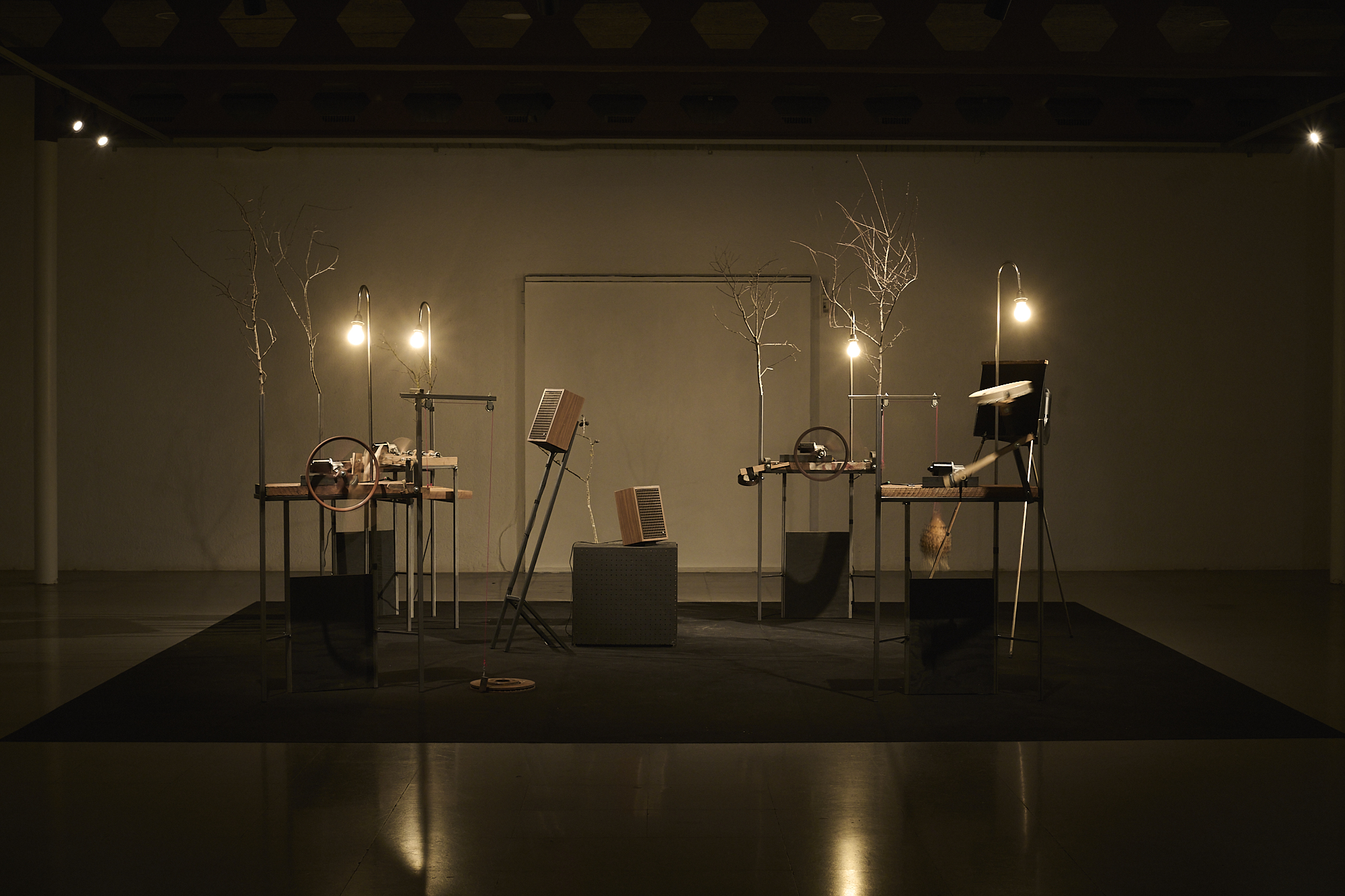
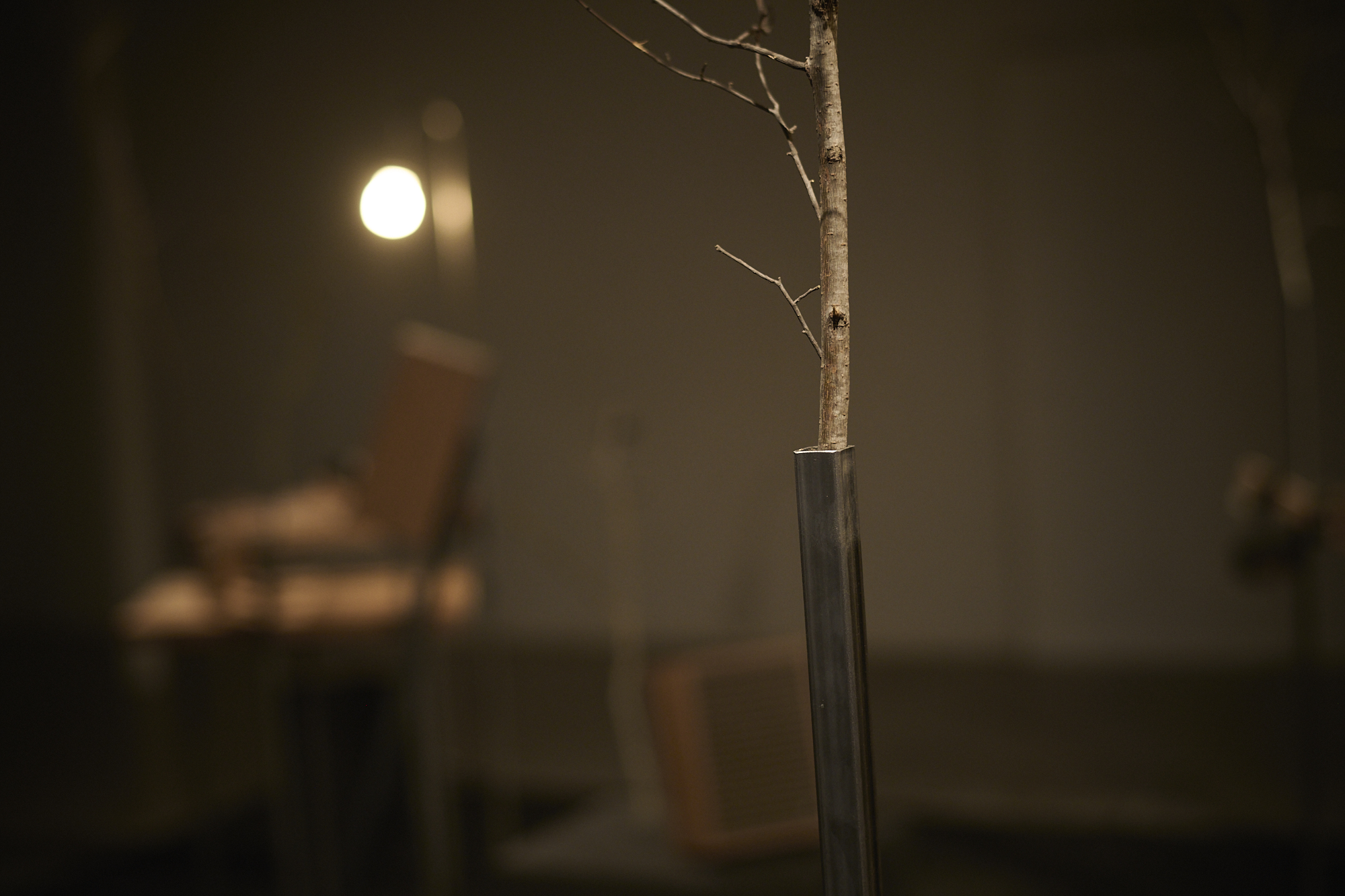
Work songs are part of a sonic heritage that connects everyday gestures with collective memory. Linked to forms of manual and often cooperative labour, through voice, rhythm, and repetition, these practices structured shared time and effort, becoming embedded in a rural soundscape that has gradually transformed over time until it has largely become inaudible.
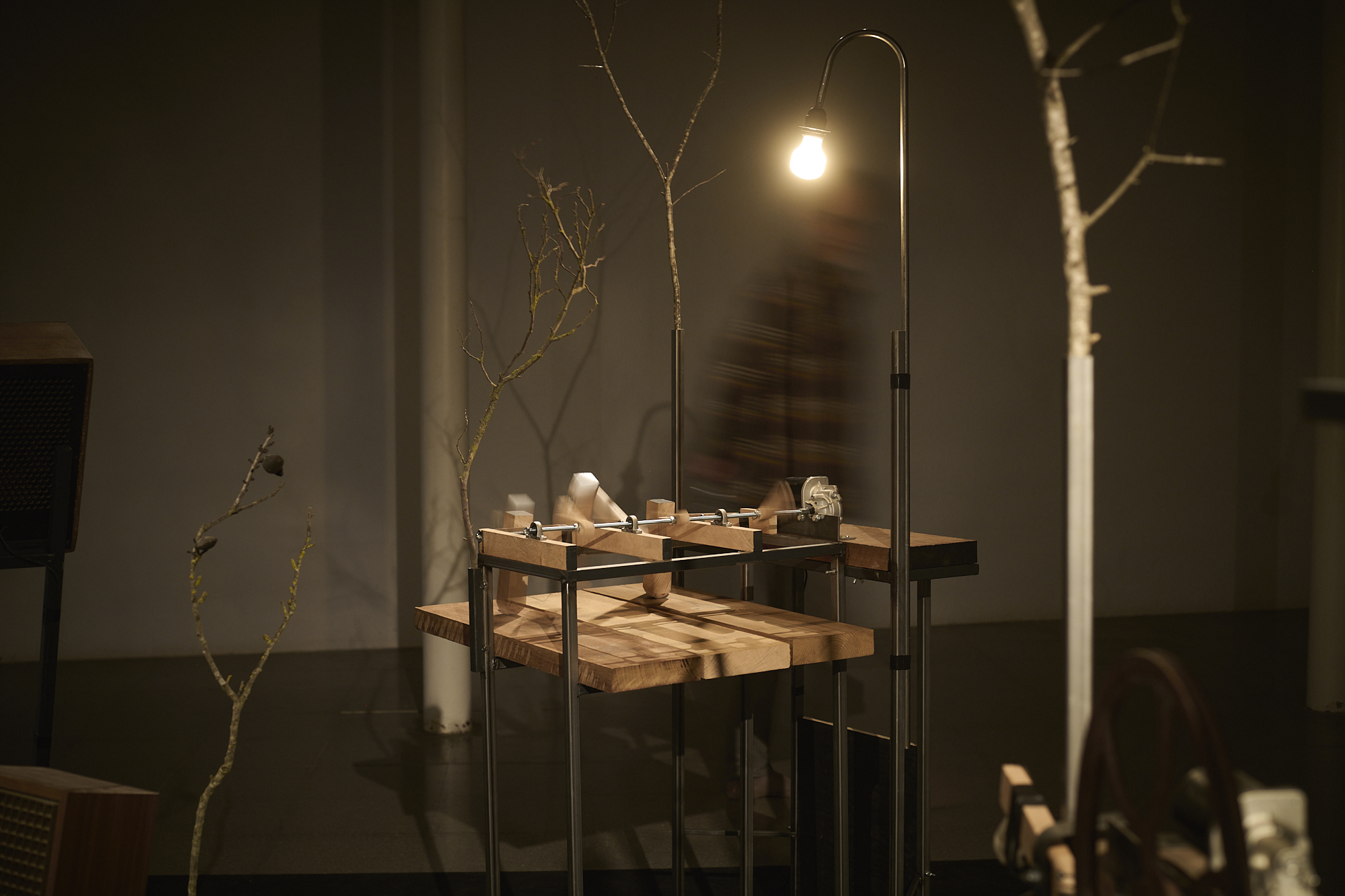
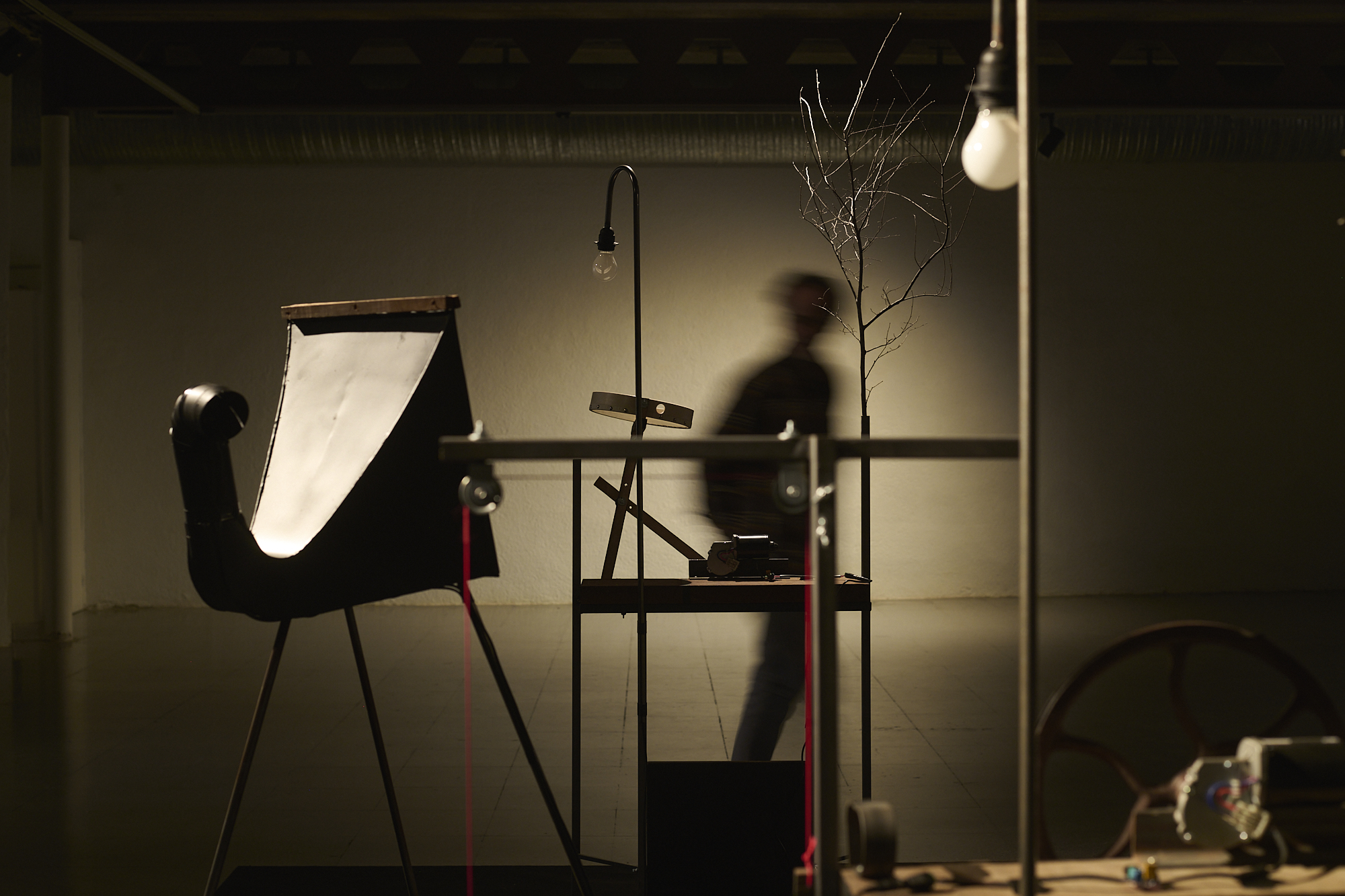
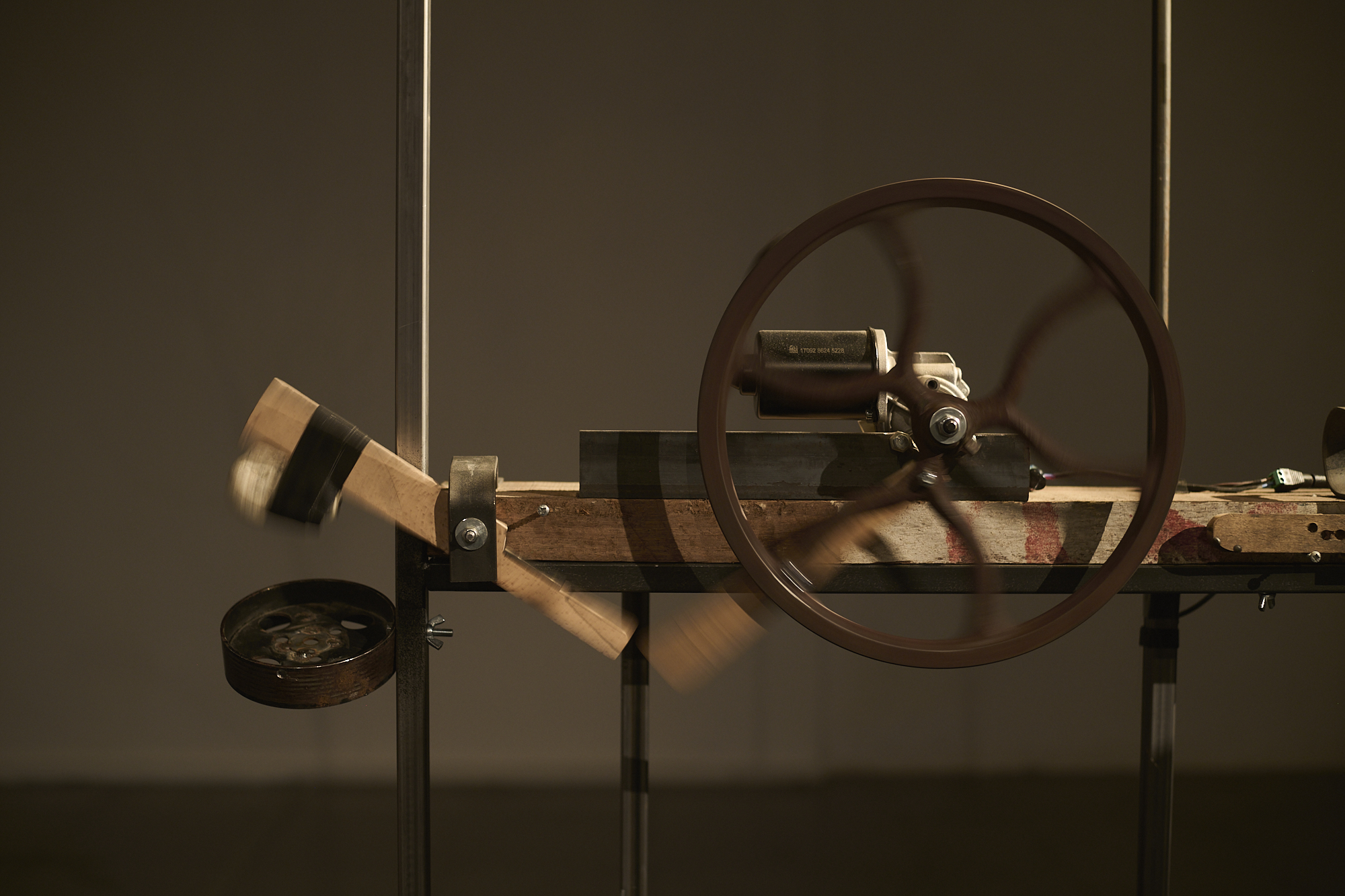
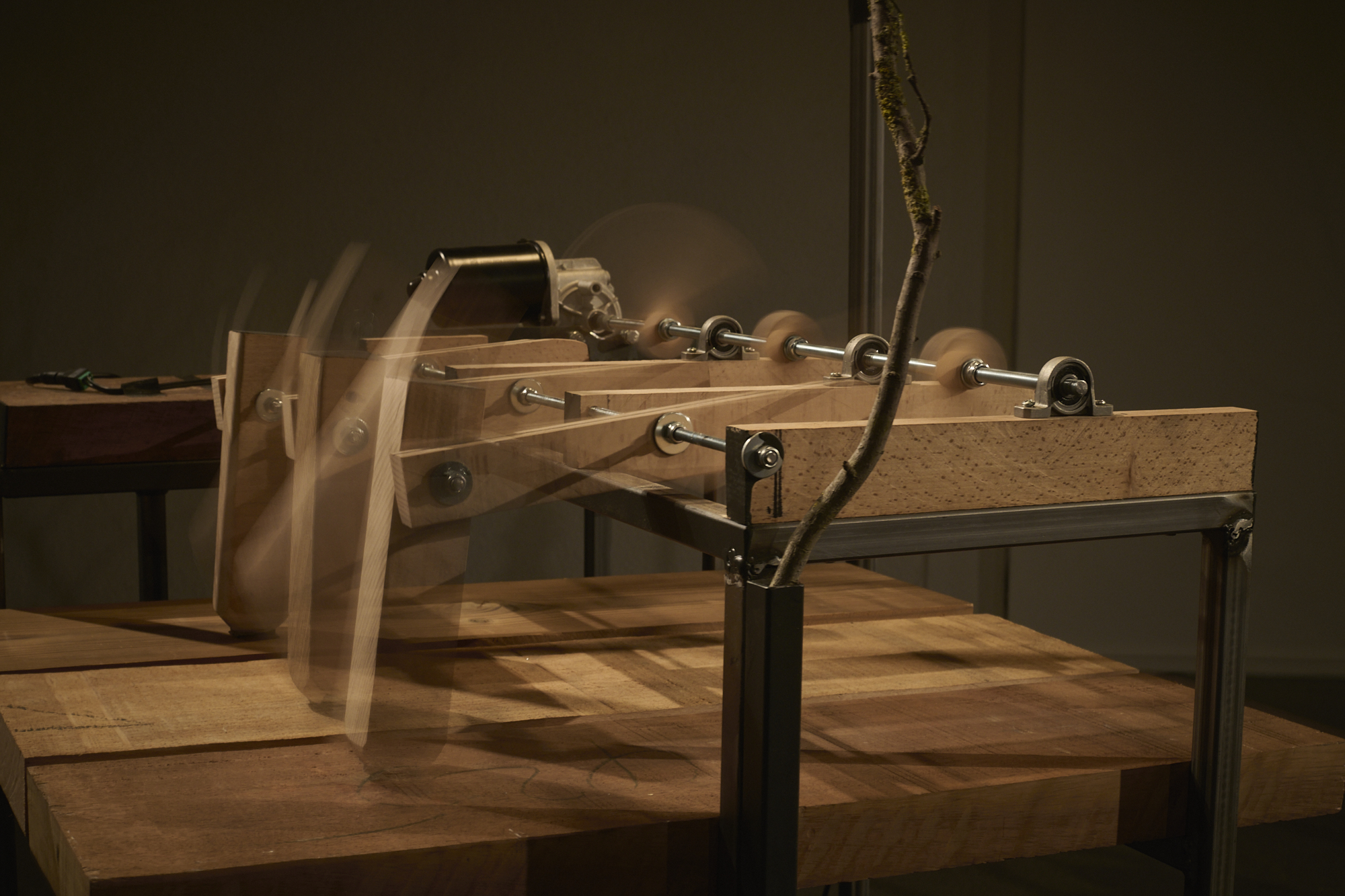
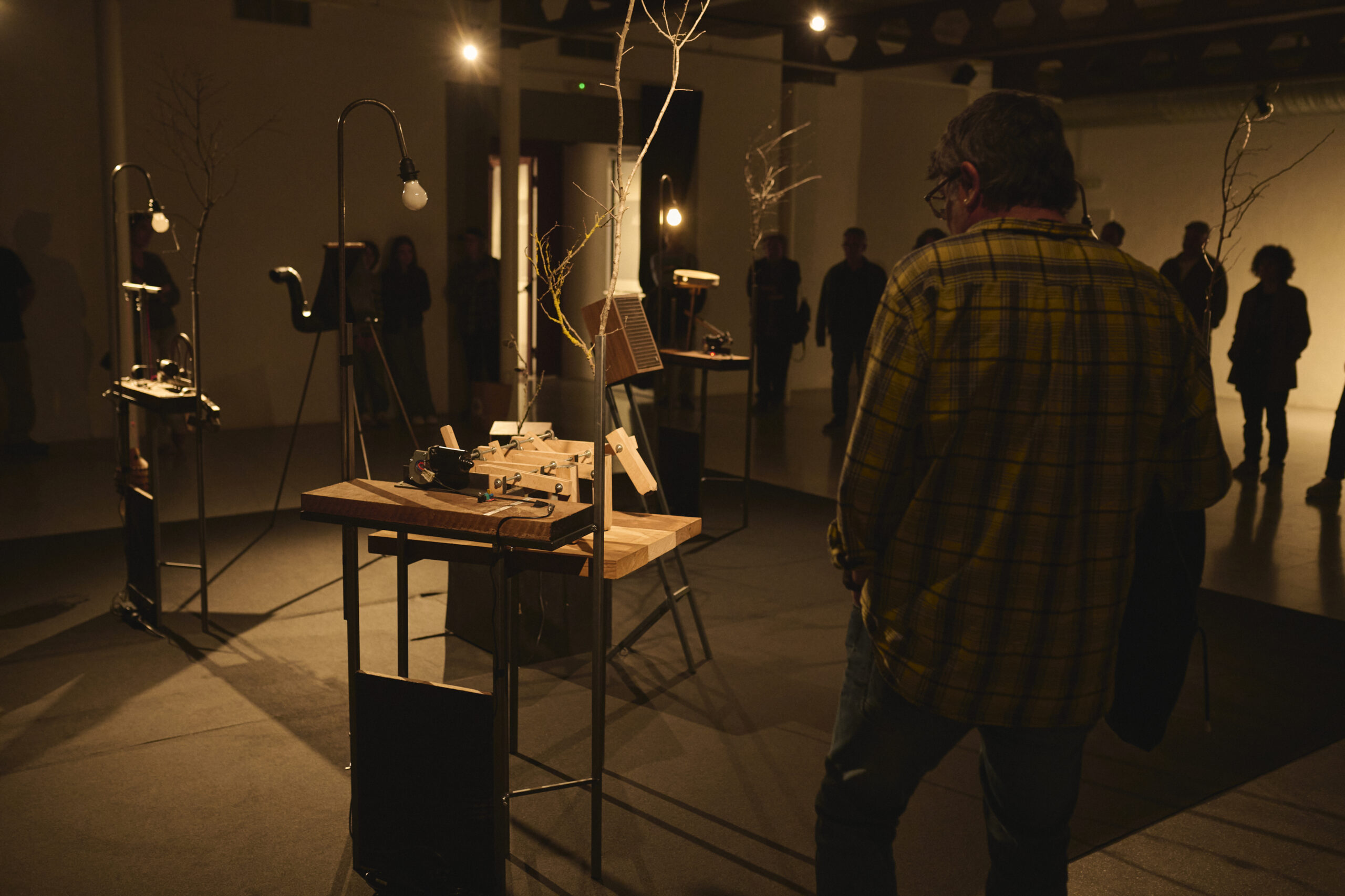
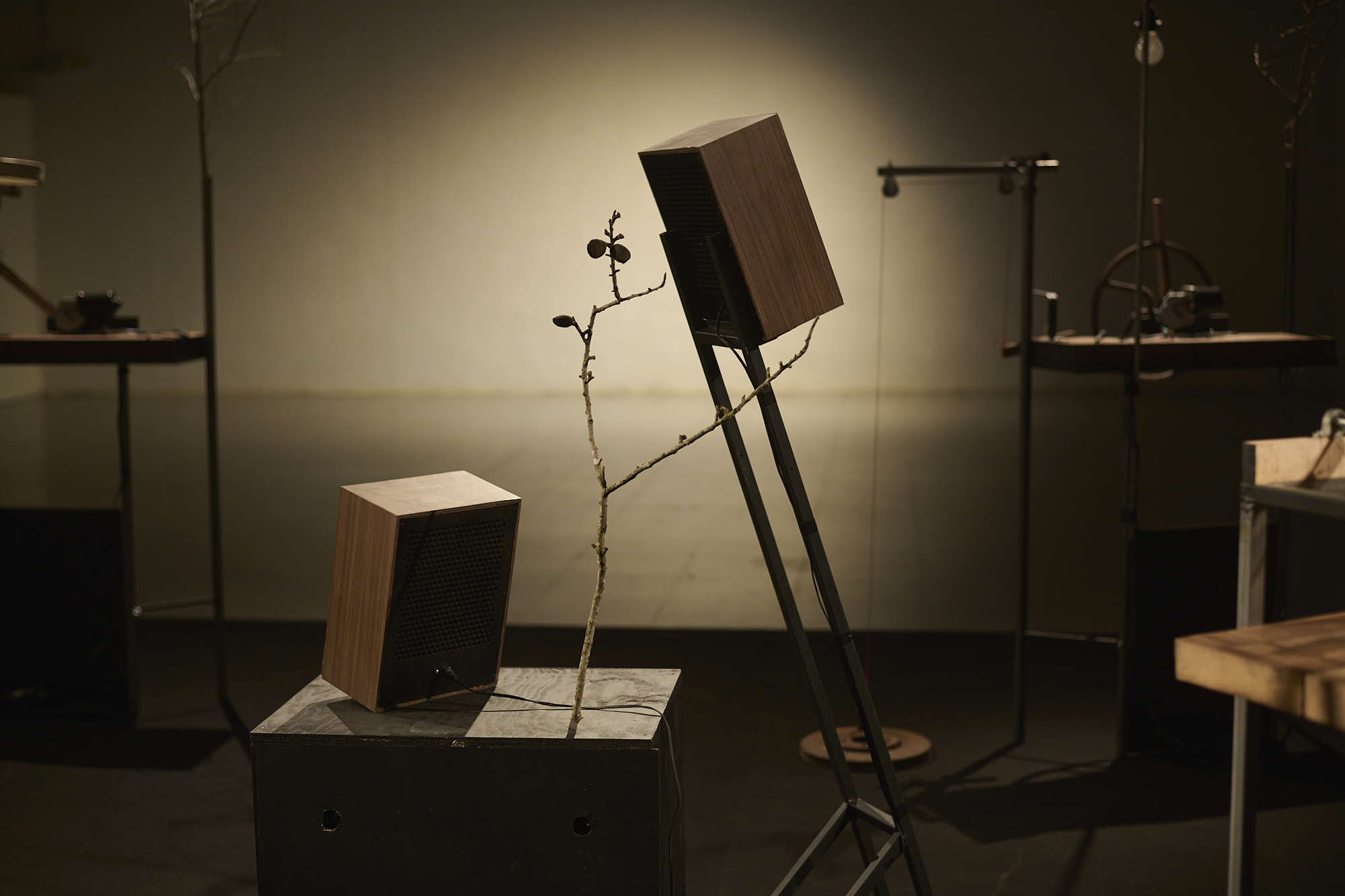
This project starts from that loss in order to explore its traces and possible continuities. By combining automata that mechanically reinterpret human work rhythms, original recordings of contemporary environments, and historical sound archives collected by Alan Lomax in the 1950s, an acoustic space is constructed in which different temporalities coexist. The result is a layering of textures that places listening between memory and reconfiguration, between the organic and the artificial.
Rather than attempting reconstruction, the project proposes listening to the lost soundscape as a field of still-active resonances. In this sense, it points to the possibility that certain relationships between labour, territory, and sound—though blurred—may re-emerge, transformed, in a possible future.
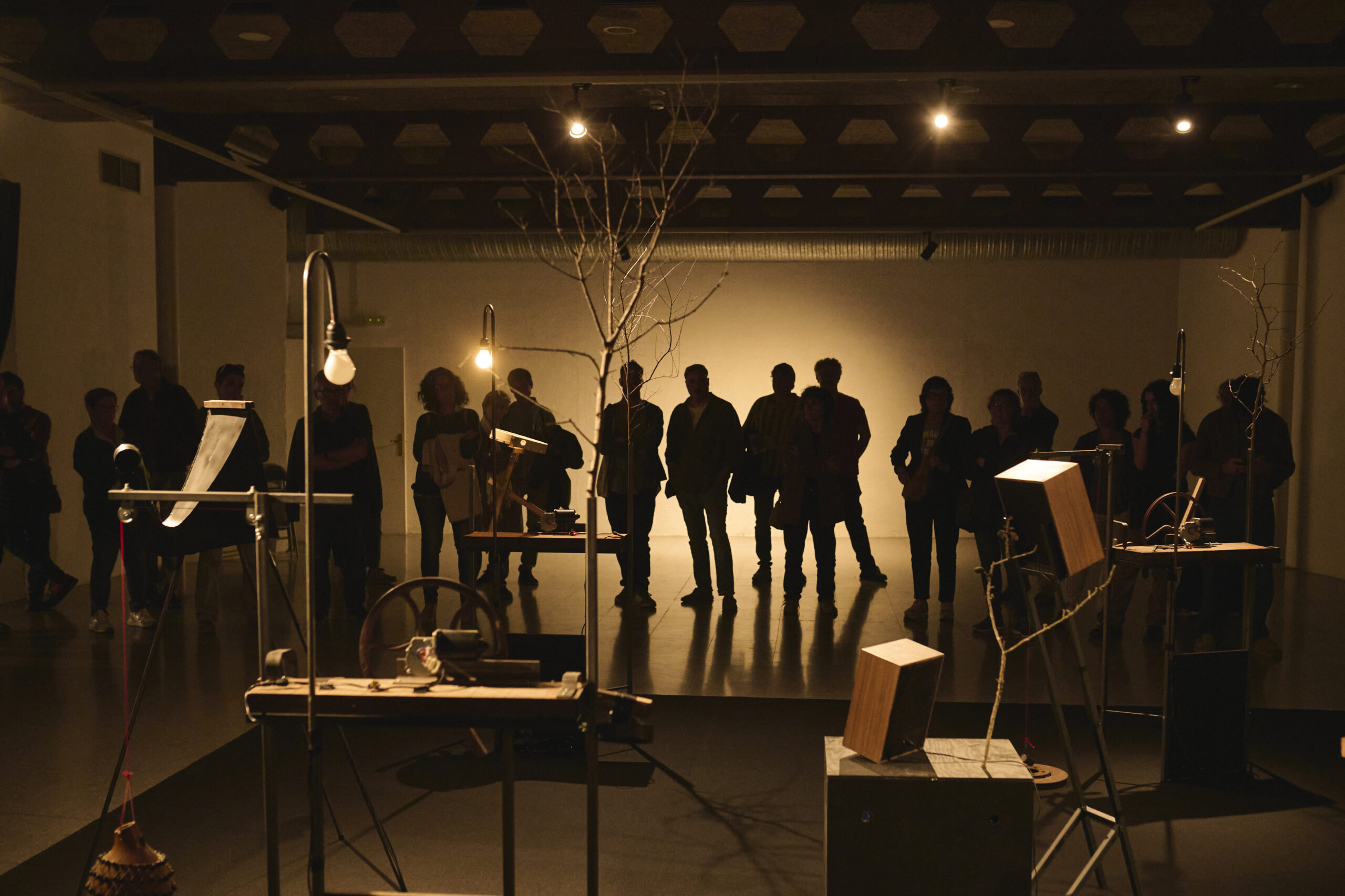
The visitor is invited to inhabit this listening space, where labour, territory, and technology engage in a new form of sonic presence.
Idea and creationPepe Seguí
Sound designPepe Seguí and sound archives by Alan Lomax
ProductionArts visuals Vilafranca, Festival Vilapensa and Pepe Seguí
PhotosRoser Blanch
VideoPepe Seguí
DurationContinuous loop based on a 25-minute scene
Premiere2026 Festival Vilapensa / Sala dels Trinitaris